



Why print still pulls
Three things give print an edge that screens struggle to match. Mailbox attention: a physical mailbox has far less competition than an inbox or a social feed, and nearly everyone sorts their mail by hand, so a well-designed postcard gets at least a glance. Tangibility: a flyer on the fridge, a punch card in a wallet or a menu in a kitchen drawer keeps working for weeks, while a digital ad vanishes the moment someone scrolls. Trust: printed pieces cost real money to produce and deliver, so people tend to read them as coming from a real, established business rather than an anonymous account. None of that means print replaces digital. The strongest local campaigns use print to reach the neighborhood and point people online — to a website, an order page or a booking link — where the sale actually happens.
The 6 pieces that pull hardest
| Piece | Best for | Price (all-in) |
|---|---|---|
| EDDM neighborhood mailers | Reaching every home on chosen USPS routes | From $398 per route (~400–800 homes), printed and mailed |
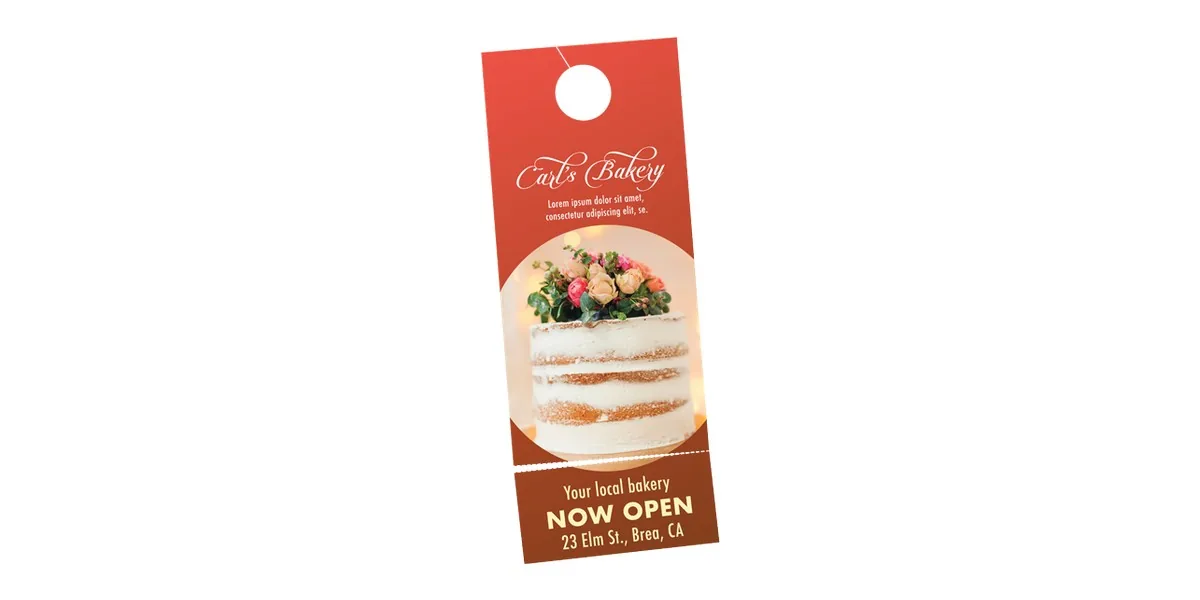
| Door hangers 4.25×11 | Service businesses working specific streets | $259/250, $279/500, $329/1,000 |
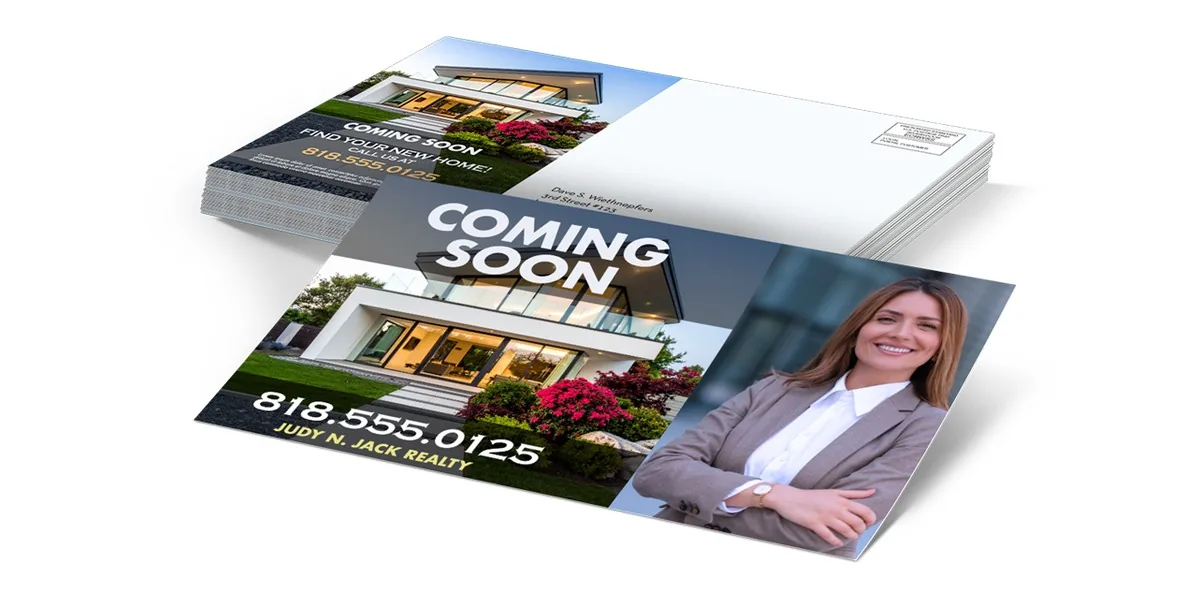
| 4×6 postcards | Targeted mail, leave-behinds, reminders | $59/100, $109/500, $129/1,000 |
| Loyalty punch cards | Turning first visits into repeat visits | $54.99/500 (16PT, writable matte back) |
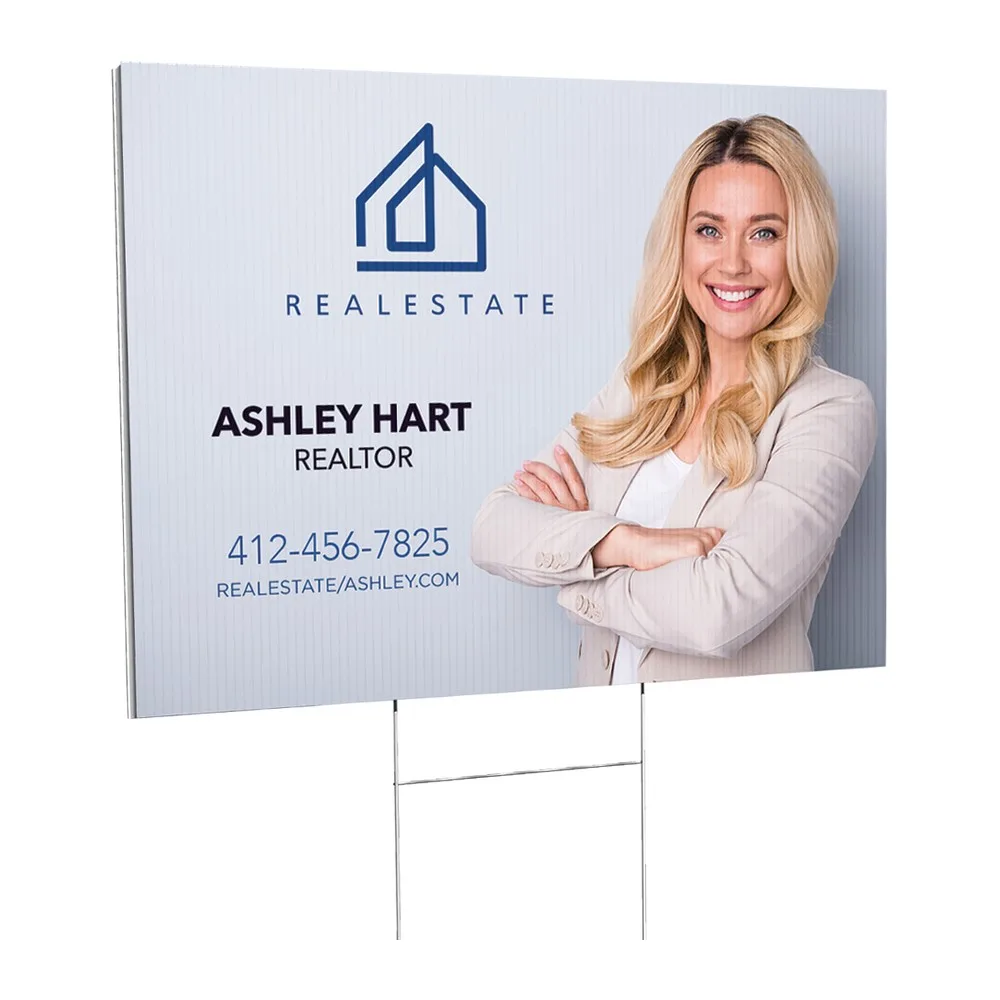
| Yard signs 18×24 | Job sites, events, local visibility | $45/1, $65/2, $109/5 |
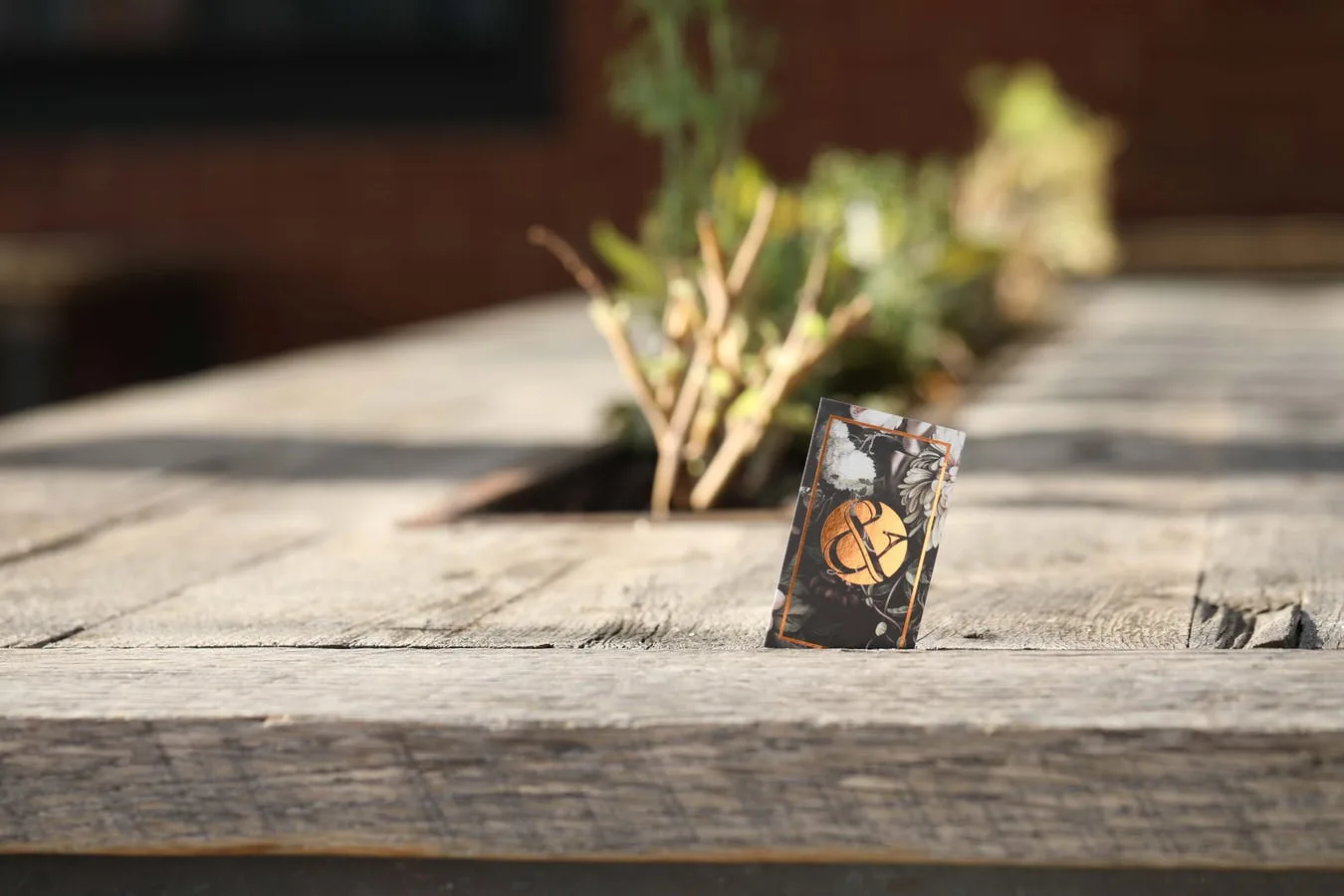
| Business cards 16PT | Every handshake and referral | $39.95/100, $44.95/250, $54.99/500 |
Why these six, specifically
Each of these pieces earns its spot by doing one job well. EDDM covers whole neighborhoods without needing a mailing list — every address on a route gets one, which is ideal for restaurants, gyms, dentists and home services with a local radius. Door hangers do the same street by street and sit right at eye level on the front door. Postcards are the flexible workhorse: mail them, hand them out, leave them at the counter. Punch cards are the cheapest retention tool there is at about 11 cents each. Yard signs turn every job site into an ad for the neighbors. And business cards remain the default way people pass a contact along. Notice what's missing: long brochures and generic logo swag. They have their place, but for response per dollar these six are the core.
Make every piece trackable
Print gets dismissed as unmeasurable, but tracking it is easy if it's planned before the piece prints. Offer codes: give each piece its own code — “MAIL10” on the postcard, “DOOR10” on the door hanger — and log redemptions at the register. QR codes with UTM tags: point each piece at your site with a tagged link so analytics shows exactly which mailer drove the visits; our QR code guide covers sizing and testing. Call tracking: a dedicated forwarding number printed only on one piece shows how many calls it generated, which matters for trades and services where people phone rather than click. Ask: a simple “how did you hear about us?” at checkout or booking fills the gaps. Compare responses against what each piece cost, and keep the winners.
What makes print fail
When print disappoints, it's almost always one of a few fixable problems. No clear offer: a logo and a phone number give nobody a reason to act; a specific, time-limited offer does. Too much text: people give a postcard a few seconds, so lead with one headline, one benefit and one call to action. One and done: a single mailing rarely moves the needle; repeated mailings to the same routes build recognition, and results tend to improve on the second and third drop. Wrong audience: a broad mailing far outside your service area wastes money. Bad files: blurry logos and missing bleed look amateur — every order here includes a free pro file check and a free digital proof, and nothing is charged until you approve it.
A simple starter plan
If you're starting from zero, keep it lean. Begin with 500 business cards ($54.99) and 500 punch cards ($54.99) if you have repeat customers. Add one EDDM route (from $398) around your location with a clear offer and a unique code, and plan to mail the same route again a few weeks later. Service businesses can swap the mailer for 500 door hangers ($279) on the streets they want most. Put yard signs out at every job. Then measure for a month or two, double down on whatever brought in the most customers per dollar, and drop what didn't. Need help with the design? Custom one-piece design is $79, and a matching 3-piece set is $189.
All-in pricing. Free proof. No checkout surprises.
Build your print kit: 500 business cards and 500 punch cards for $54.99 each, shipped.
Build your print kit: 500 business cards and 500 punch cards for $54.99 each, shipped. ⚡ Or build a full kitFrequently asked questions
Does print marketing still work for small businesses?
Yes, especially for local businesses. Physical mail faces less competition than inboxes and feeds, printed pieces stay in homes for weeks, and people tend to see print as more trustworthy than online ads.
What is the most effective print marketing piece?
For reaching a neighborhood, EDDM mailers are hard to beat because every address on a USPS route gets one. At i Can Print That, EDDM starts at $398 per route, including printing and mailing prep, for roughly 400–800 homes.
How do I track the results of print marketing?
Use a unique offer code, a QR code with a UTM-tagged link, or a dedicated call-tracking number on each piece. Asking customers how they heard about you fills in the rest.
How many times should I mail the same neighborhood?
Plan on more than one mailing. Repeated drops to the same routes build recognition, and response often improves on the second and third mailing compared with a single send.
What is the cheapest print marketing that works?
Loyalty punch cards are among the cheapest, at $54.99 for 500 or about 11 cents each, because they turn existing customers into repeat visits. Business cards start at $39.95 for 100, shipping included.