
 i CAN PRINT THAT
Paper Weights & Stocks, Finally Explained
“14PT? 100LB? C2S?” Print stock names sound like a secret code — but they just describe two things: how thick the paper is and how it's coated. Once you get the shorthand, choosing the right stock takes ten seconds. Here's the whole cheat sheet.
Points (PT) = thickness for cards
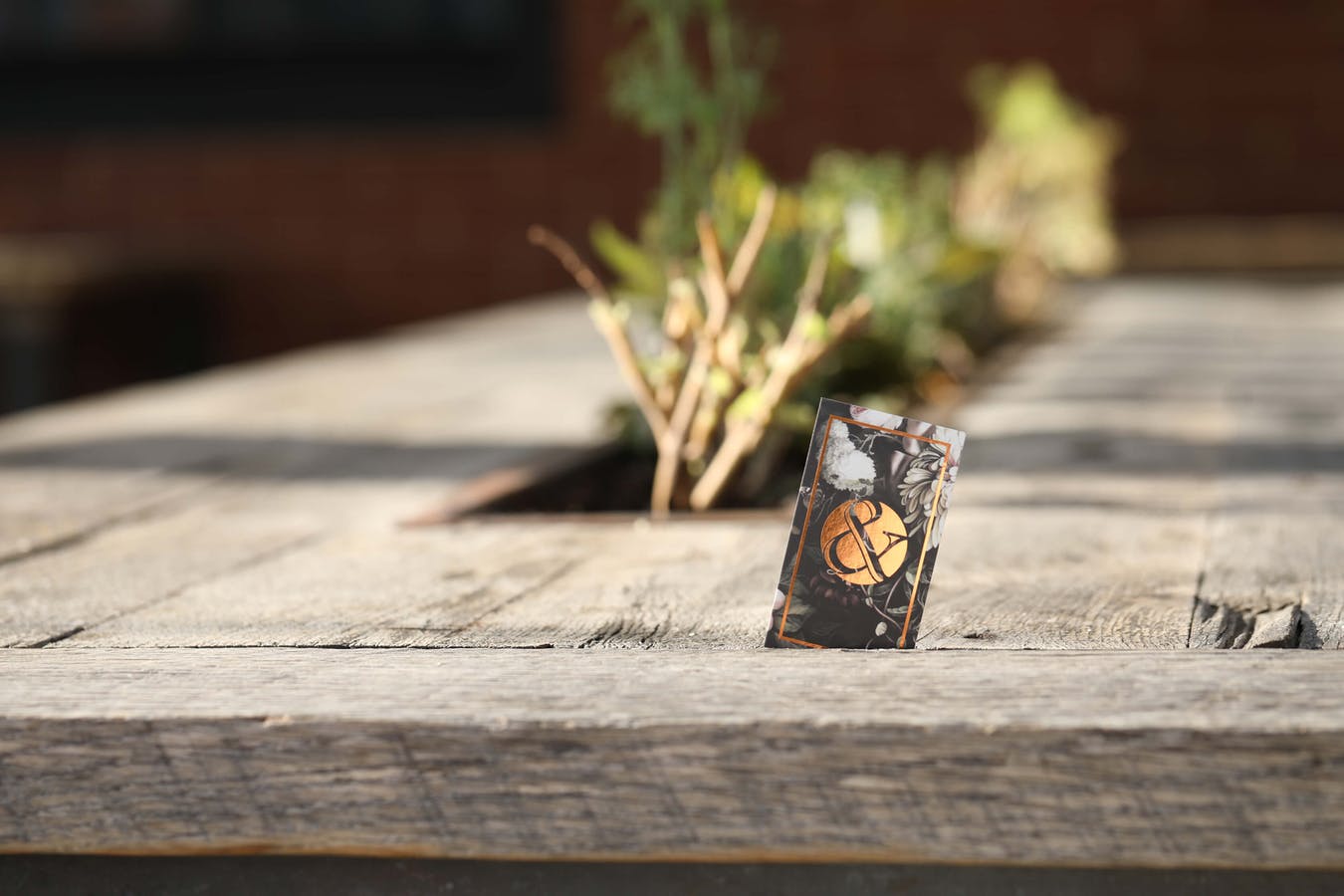
Point measures caliper (thickness). Higher = thicker and more premium. 14PT is a solid standard card; 16PT is the popular premium weight; 18PT+ feels luxurious; specialty 32PT painted-edge cards feel like little credit cards. Business cards, postcards, and rack cards are quoted in PT.
Pounds (LB) = weight for flat sheets
Flyers, brochures, and booklets use pound weights. 100LB Gloss Text is a sturdy flyer; 80LB is lighter and cheaper; 100LB Cover is heavier, near card thickness. Higher LB = heavier and more substantial.
Coatings: C2S, gloss, matte, uncoated
C2S = coated two sides (smooth, print-ready both faces). Gloss makes colors pop. Matte/silk feels upscale and reduces glare. Uncoated is natural and writable — perfect when people need to jot on it (appointment cards, forms).
Quick picks by use
- Business cards: 16PT C2S is the safe premium default.
- Postcards/mailers: 14–16PT; uncoated back if you'll address by hand.
- Flyers: 100LB Gloss Text for punch.
- Menus: heavier stock or laminate for durability.
Ready to print it?
Configure your product online, see your price instantly, and it ships to your door.
See Your Price ⚡Keep reading
We use cookies to analyze traffic and improve your experience — and, with your OK, for ads & retargeting. See our Privacy Policy.